I spent the summer of 1976 working on the family farm in Nebraska with brother Scott. It was great training as we worked outside 7+ hours daily under supervision by Uncle Conrad. We ate most of a side of beef. We chopped and pulled weeds in cornfields mostly. We mowed, carried irrigation pipe, and painted the white barn. Scott and I had very little cash so we economized and rolled our own cigarettes with Prince Albert tobacco. Uncle Con was patient as we broke some equipment and were “green” workers. The US bi-centennial was July 4 and there were big celebrations.
Grau Bakery – St. Louis 1977. Carried 100 lb. sacks of flour up a flight of stairs and cleaned bread pans for $2.10/hr. Got to bring home cakes and other goodies. The delivery man for the bakery supply could carry 4 x 100 lb. sacks at once, two on each shoulder, without exertion.
Dierberg’s supermarket – St. Louis 1978 – 5:30am morning janitor, polishing floors before school at Univ Missouri St. Louis.
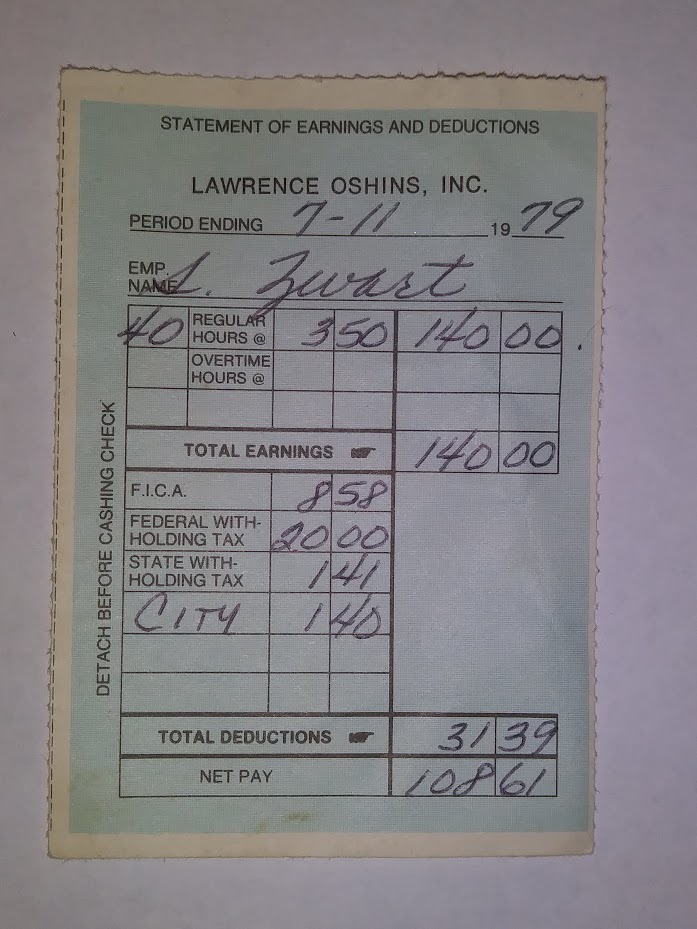
Lawrence Oshins – St. Louis 1979. Summer job after freshman year at Univ Missouri St. Louis. Machine operator of bandsaw with 37 foot circumference blade, which broke often. Made chest protectors for umpires for Rawlings sporting goods. I almost cut off my thumb. $3.50/hr. Quit job and went with brother Scott to Jamaica for a week.
Ditech – Cape Girardeau, MO. Part-time job when attending Southeast Missouri State. Worked for Richard Dunlap, who was ex-wife’s father. Programmed moving message electric signs by punching mylar tapes. Made the steel frame for the racing lap counter that was used at Daytona speedway from 1980 to 1988. Got to fly in his Beechcraft Bonanza airplane.
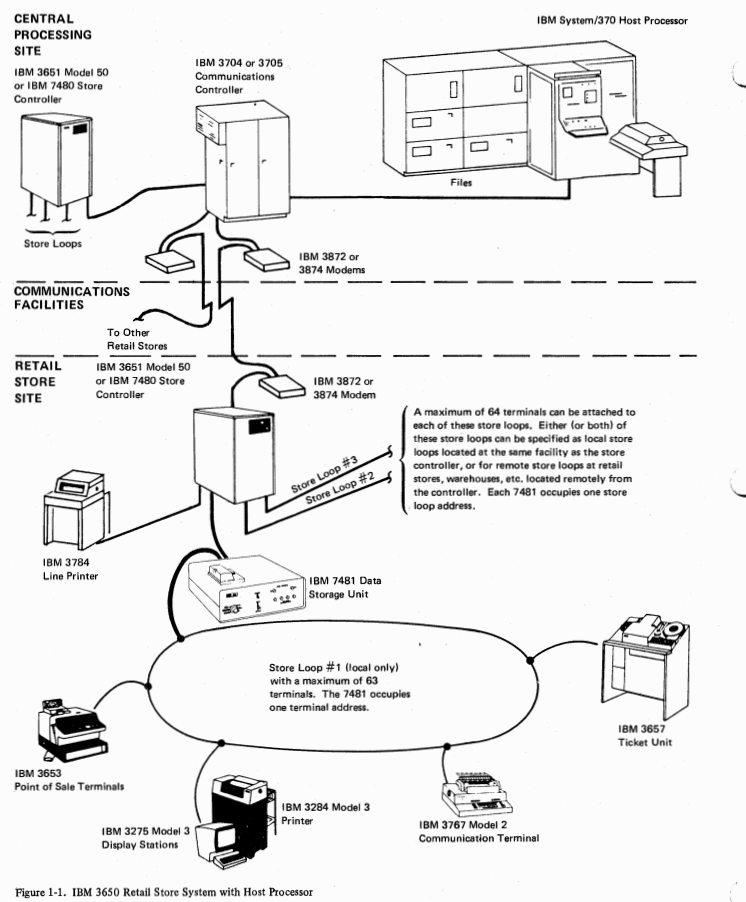
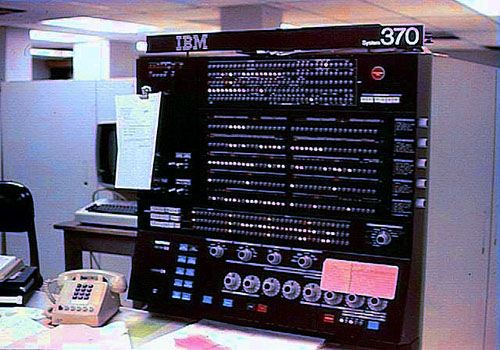
T.G. & Y. Stores – Oklahoma City, OK 1982 to 1984. First computer programming job. Unemployment was almost 11% and I only had a Bachelor’s in Business with a minor in computer science. But this job got my foot in the door in IT, thank goodness for them giving me a chance. Starting salary $16,500/yr. Wrote COBOL for mainframe and Assembly language for Point of Sale systems. What a tremendous learning experience it was! Total disk storage of a store controller was 9MB, to store all price lookups, store transactions, and manage layaways. My first new mainframe program abended with a read after end-of-file and I got a call at 2am to go in and fix it. Lesson learned – keep it simple to keep it running. If you got a night call they gave you a coupon to get a full breakfast at a pancake house, a nice touch. They had 900 stores in 27 states and were getting slammed by Walmart, which eventually ran them out of business.
IBM Mainframe System 370 system console
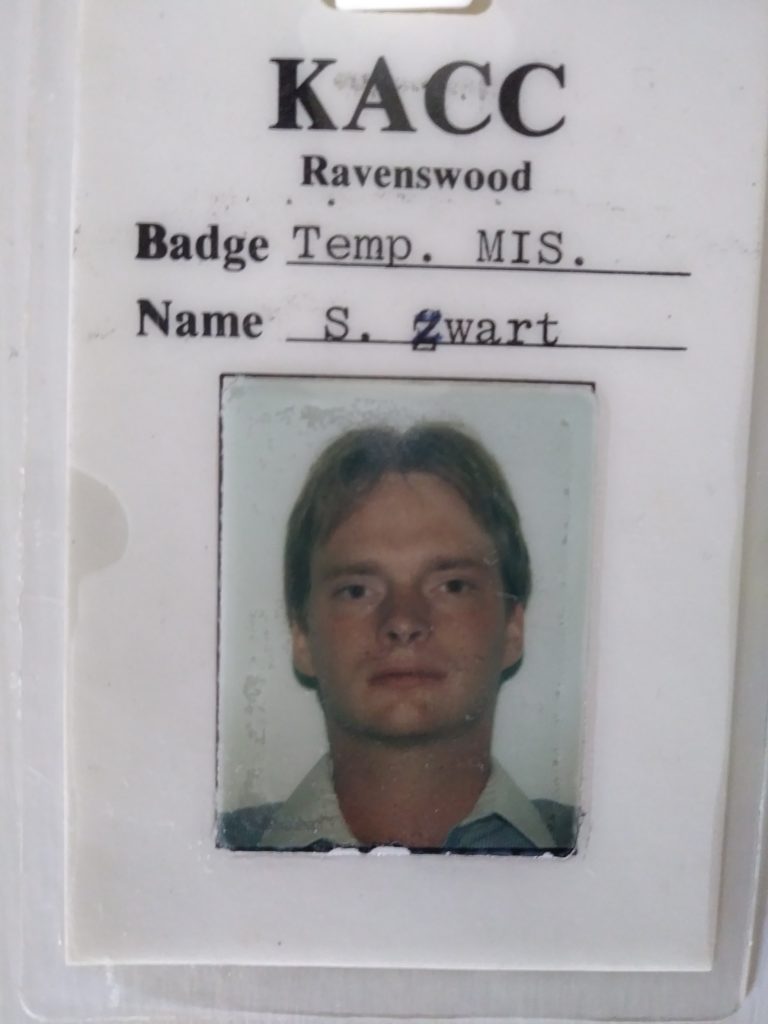
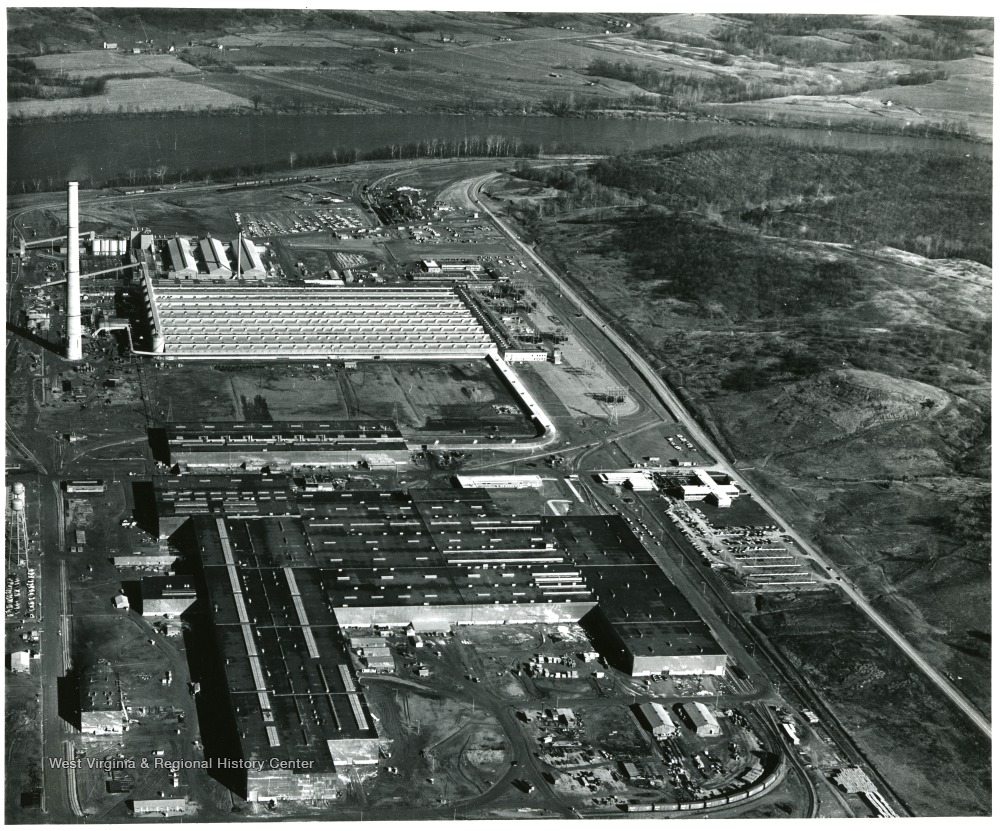
Kaiser Aluminum – Ravenswood, WV 1984 to 1985. Salary $26,000/yr, my contracting firm was making over $50,000 on me. Kaiser was very efficient and resourceful in their computing. As a team of one, I supported and enhanced the computer system that ran all accounts payable and purchasing for two huge aluminum plants. Ravenswood shipped 55 million pounds of finished products monthly. The computer system was a modular assembly language system that was first written in 1965. It was almost 20 years old when I inherited it. It had an ingenious modular design that treated each of 300 transaction types as an atomic standalone event, such as a receiver in the storeroom, an invoice received, or a payment to be made. It had been converted to store data in an IMS DL/I database. IMS stands for Information Management System, but my boss called it “I Move Slowly”. Each transaction type had its own assembly program, and I had 300 listings cataloged in folders on two large tables in my office for reference.
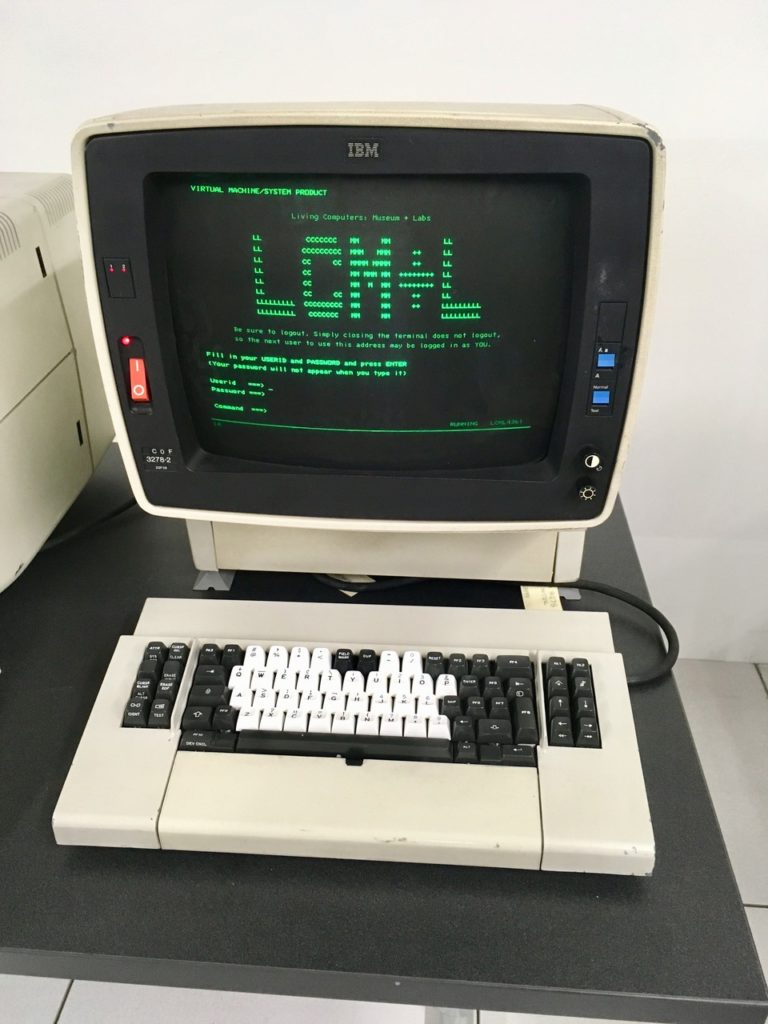
Below is an IBM 3278 green screen terminal. I sat in front of terminals like this for 5 years before getting a work PC in 1986. The keyboard is cast aluminum and the key action was excellent, much better than plastic and laptop keyboards we use today. No time was wasted on booting up a PC. It had no graphics capability, but the most useful missing feature we use today that it didn’t have was copy and paste.
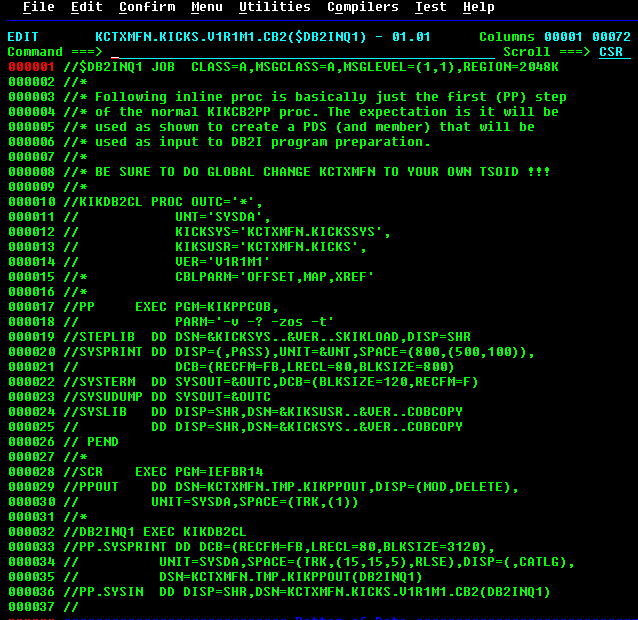
A frequent task was to edit Job Control Language (JCL). I did this at T.G. & Y., Kaiser, and IBM running on the MVS operating system. This is what a JCL file looked like on a 3279 (color!) terminal.
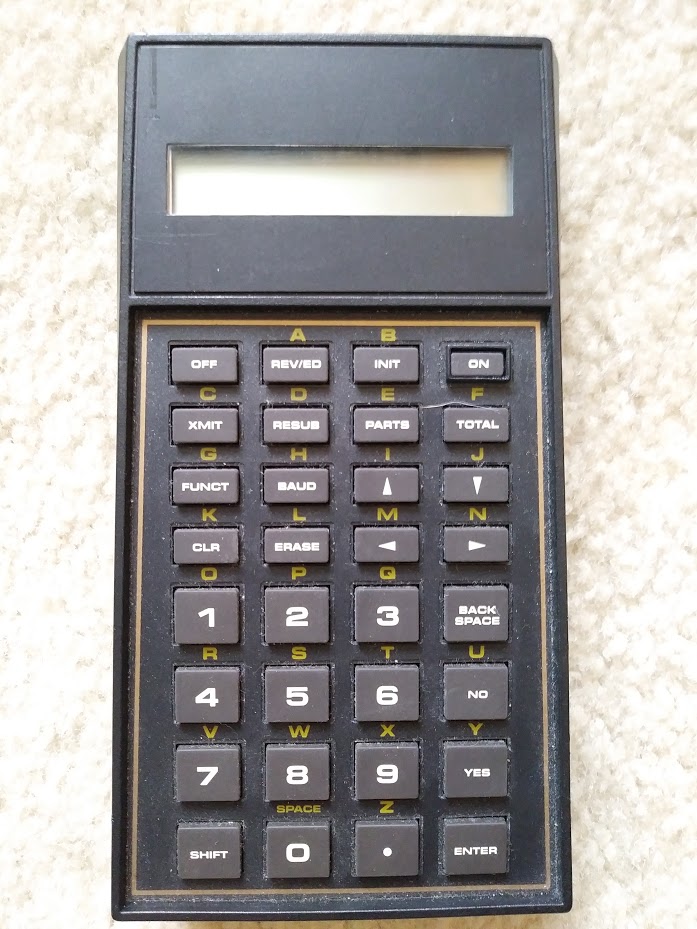
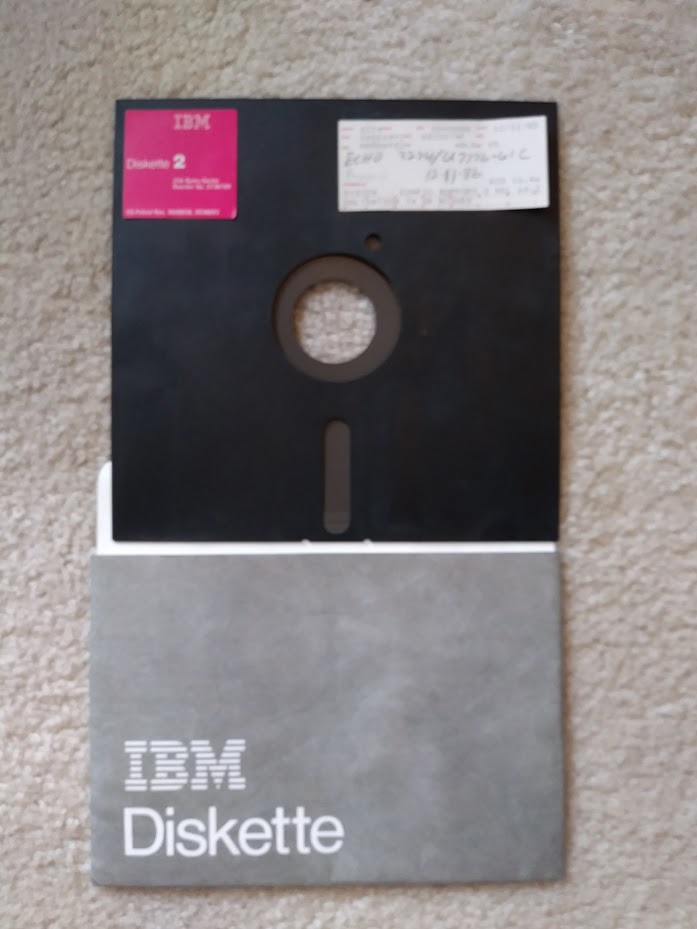
IBM – Lexington, KY 1985 to 2008. IBM was a terrific company in 1985 as it dominated commercial IT and had great success in the Personal Computer market as well. They never laid anyone off from 1934 to 1990 and took great care of employees. When my son Allen was born, they sent us a silver spoon. They had yearly free family days at Kings Island and Easter egg hunts. My first job was programming mainframes in PL/I and a Portable Data Terminal in Forth language. It had 8KB for code and 8KB for data. The last build had about 304 bytes free for code. A compile using an 8 inch floppy disk for work storage took an hour, and then you had to burn an EEPROM chip to install the code, which took 45 minutes. It had a built-in modem for transmitting data over the phone.
I had a special assignment to develop a system for IBM de Costa Rica. Unfortunately, the Costa Rica telephone system had too much static, so the engineers could not transmit their data. In IBM, you were completely dependent on your badge to get into buildings. They were very strict on security.
I was made the team leader of the service reporting team in 1988. I designed an online QSAR (Quality Service Activity Report) verification system in PL/I which ran under CICS. I wrote 30,000 of total 60,000 lines of code and developed a PL/I macro language for business rules. This was the first time I had to work 100% to the point of exhaustion. I had nothing left in the tank, but the rollout was a success and the system continued to run for 18 years. This was part of a stressful initiative called New Service Dimensions. A number of people quit or were fired.
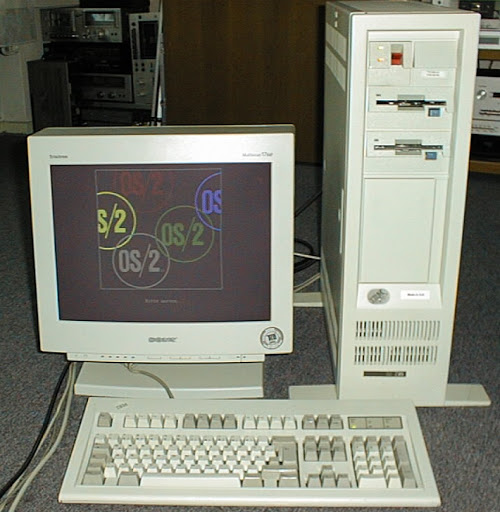
At about this time we started getting PC’s. We were running OS/2 and I learned OS/2 Presentation Manager C++ programming at night after work. Sadly, OS/2 lost and Windows won due to IBM’s misunderstanding of PC software development.
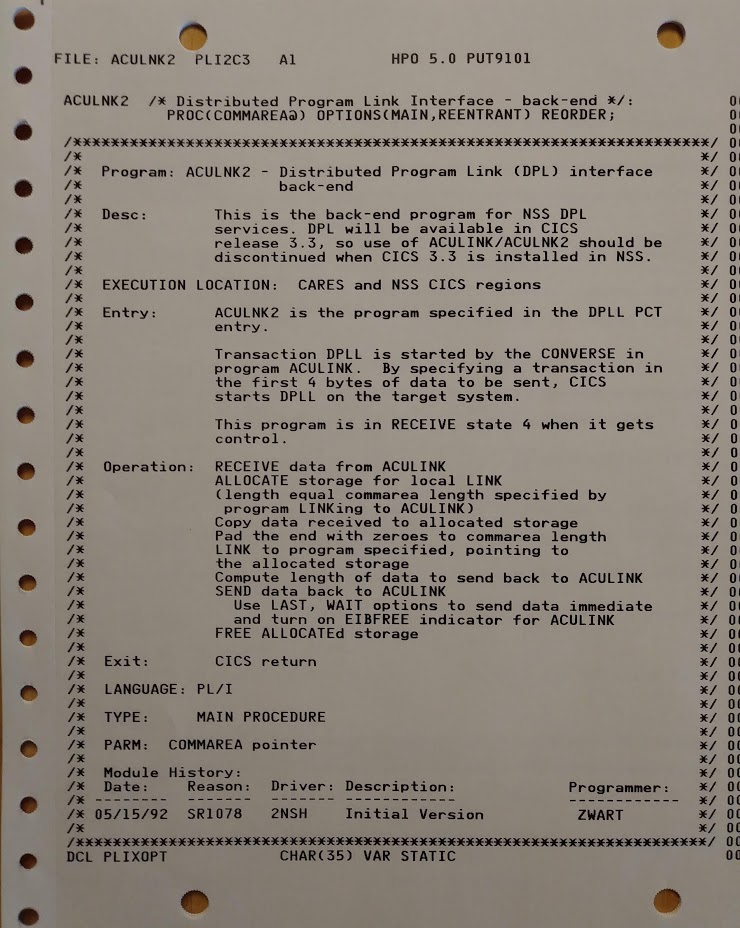
I worked on the National Service Support (NSS) system from 1990 to 1993 which had its own $250M nationwide radio network and 15 distributed mainframe data centers in North America. Most of the code was written in PL/AS (Programming Language for Advanced Systems) which is similar to PL/I but allows you to drop into Assembly language. The hub systems were in Lexington. Disaster recovery was built-in the application. It was put into use when there were power outages as well as these physical events: Minneapolis flooded, an earthquake rocked San Francisco, and Los Angeles was on fire during the riots of 1992. Here is a view of the comments I wrote for one NSS PL/I program in 1992. It was the most intricate software I’ve ever worked with.
In 1991 IBM formed ISSC as an independent company which later was re-absorbed back to IBM as IBM Global Services. Our software departments were moved to ISSC and they gave us cheap black and white business cards.
In 1992 I started studying the AIX operating system, and in 1993 I wrote a (SNA LU6.2) communications controller module in AIX C. In the mainframe (MVS operating system) the subroutines reference was an inch thick book and the errors messages manual was 2 feet wide. In AIX, the subroutines reference was 2 feet wide and the errors messages manual was tiny. At this time, people would size you up partly based on the technical references you had in your office.
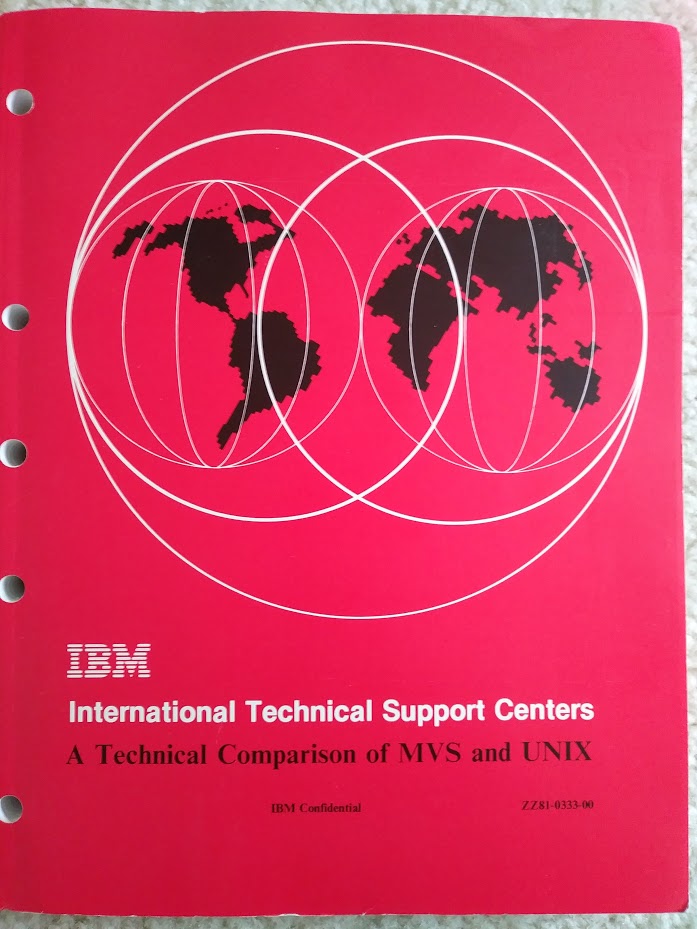
In 1994 I was selected for a residency in Poughkeepsie, NY and we wrote a book comparing MVS and UNIX, since UNIX was eating away at MVS market share. The team had members from Netherlands, Germany, Japan, and Australia so it was good to hear other perspectives. The lesson I learned is that if you want a truthful audit, get an independent organization to do it. In this case, the MVS product managers forced us to be overly charitable to MVS in our analysis.
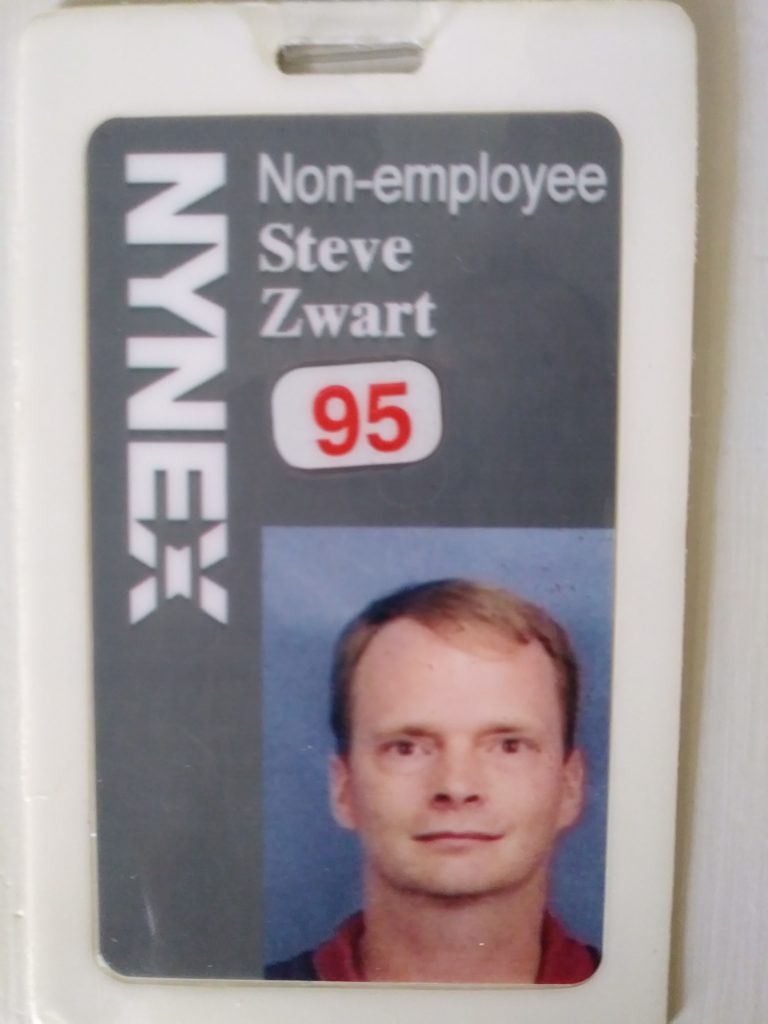
I had an assignment in 1995 for 7 months at Nynex, (New York New England Telephone), the Bell of the Northeast. I flew weekly which was difficult for the family as the boys were only 10 and 13. Manhattan and Westchester County, New York. Yearly revenue to IBM from Nynex was $190M.
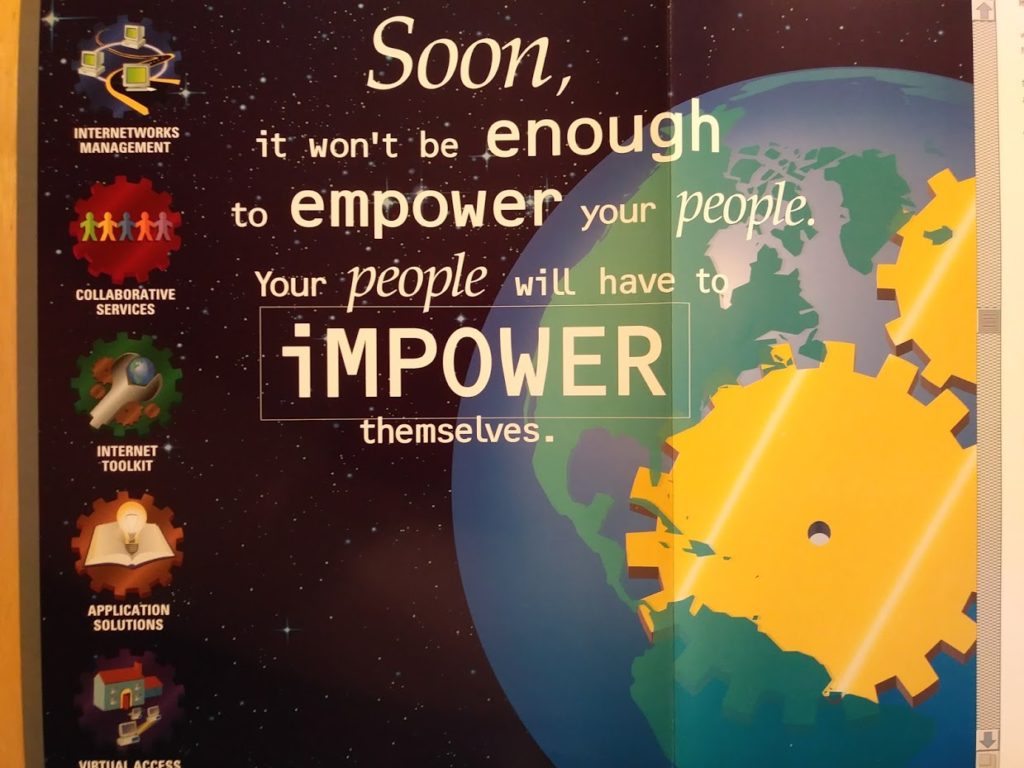
I worked on a marketing strategy for Internet services and developed rough images into polished content working with the ad firm Burson-Marsteller on Madison Avenue, NYC. We had a big press event in Geneva Switzerland and NYC with live computers and demos. I attended the one in NYC which was followed by a terrific cocktail party in a luxury condo that I helped the host close down at 3 am.
In 1996 management wanted to send me to Sardinia (Italy) but family life would be too difficult. I was fortunate to get a job in a different group in IBM Global Services in UNIX (AIX) support. We supported commercial customers 24 x 7 and I supported a number of stressful transition projects for Rubbermaid, Chevron Phillips Chemical, Millennium Chemical, and Lexmark. Most of these were running SAP R/3 software, which is German software that is difficult to host and run. I was the team leader of a group of 15 UNIX system administrators. My boss was very supportive and we ran like this for 9 years. With Sam Palmisano’s financial engineering in place of product engineering, IBM was starting to go downhill.
In 1998 I was promoted to Senior Programmer and received Distributed Computing Specialist certification. The next level up was Senior Technical Staff Member which I didn’t want as it was too political. IBM was very good for my career growth.
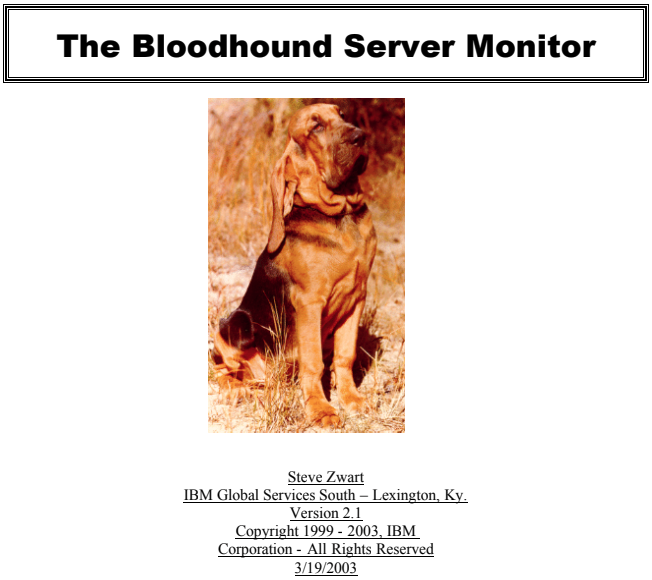
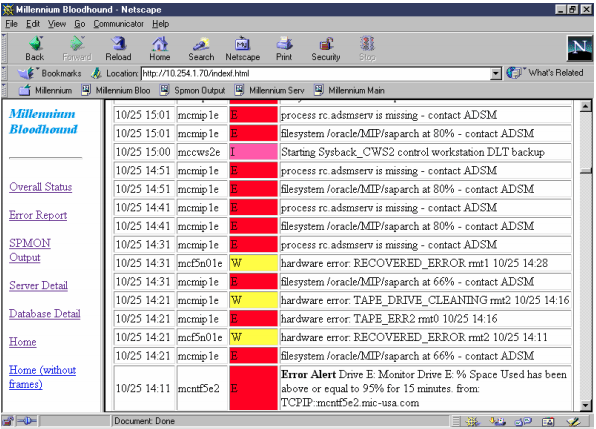
As I could see that the computer and network monitoring solutions (Tivoli) were expensive and ineffective, I thought I could invent my own solution based on open source apache web server and perl. The monitor was called Bloodhound and was developed in 1999 and 2000. This was another 100% effort. I’d wake up inspired at 3 am and have to go to work to start programming and testing. Eventually, it was rolled out to about 15 accounts, and IBM Global Services customers received better service resulting from the better system and network monitoring.
As IBM began to offshore UNIX support to Argentina and then India, that required a career change into account management. I worked on the Lexmark account on-site in building 008 before it was transitioned to WiPro and Tata. It was pretty uncomfortable but I liked my teammates. Then, I landed a position as the transition manager for Schneider Electric E-business, where I got to build a whole new platform with 65 computer servers and a powerful set of Cisco load balancers and other network equipment. I was getting along great with the customer and application staff in Boston and France. But I was having problems with the IBM management, and I was burned out. Three customers flew in from France and wanted to see their equipment in the data center, and our local management wouldn’t let them in so I had to perform a damage control exercise for 3 days. I had 8 levels of management sending me emails that I had to respond to. They forced me into performing all tech support work with unskilled staff in India. There’s great IT staff in India but IBM didn’t know how to find them. I resigned in August, 2008. I took a trip out West and then the recession started.
Johnson Technology Systems – Radford, VA and Lexington, KY 2009 to 2013. I was hired to be the IBM AIX Subject Matter Expert at Radford. The hiring and onboarding process was quite stressful. Right before moving both my parents passed away. I had to pass a difficult Security+ exam and get used to working in a windowless bunker. I met some great folks while there, a number of whom were IT workers newly displaced by the Great Recession. The Army project I worked on was Global Combat Support System (and they had a pretty logo):
The work wasn’t challenging so I took on extra work with Army Solaris and Linux systems. The total cost yearly for my services was billed at over $300K with me receiving a little over 1/3rd of that and defense contractors getting 2/3rds. Way to go, Army! So wasteful. They could have had a junior AIX person for $35,000 and been fine. In June 2011 I walked out and tried to quit, but Johnson wanted to keep me on. I moved back to Lexington and continued working part-time on proposal development. The proposal was won under protest and has a total value of over $100M. I saw so much waste in the Army and Department of Defense that I could no longer be a part of it.
NTT Data – State of Kentucky, 2013 to 2019 – I thought it would be more useful to support the State of Kentucky instead of the wasteful Federal government. I thought I could provide the State cost savings through efficiency. I had some success in server consolidations and other improvements. I worked in UNIX support from 2013 to 2014 and then Data Services from 2015 to 2019. UNIX support was in the basement of the Jones Building which was the old admin building for the Kentucky Institute for feeble-minded children. One fun project was moving four P740 servers to Florence, KY in an old Ford van. We had free reign without controls in the data center and could rack, cable, and power up equipment. But then management put some more controls on things. In the Data Services group we worked with IBM Information Server running on AIX. Being an AIX person made me useful in this role.
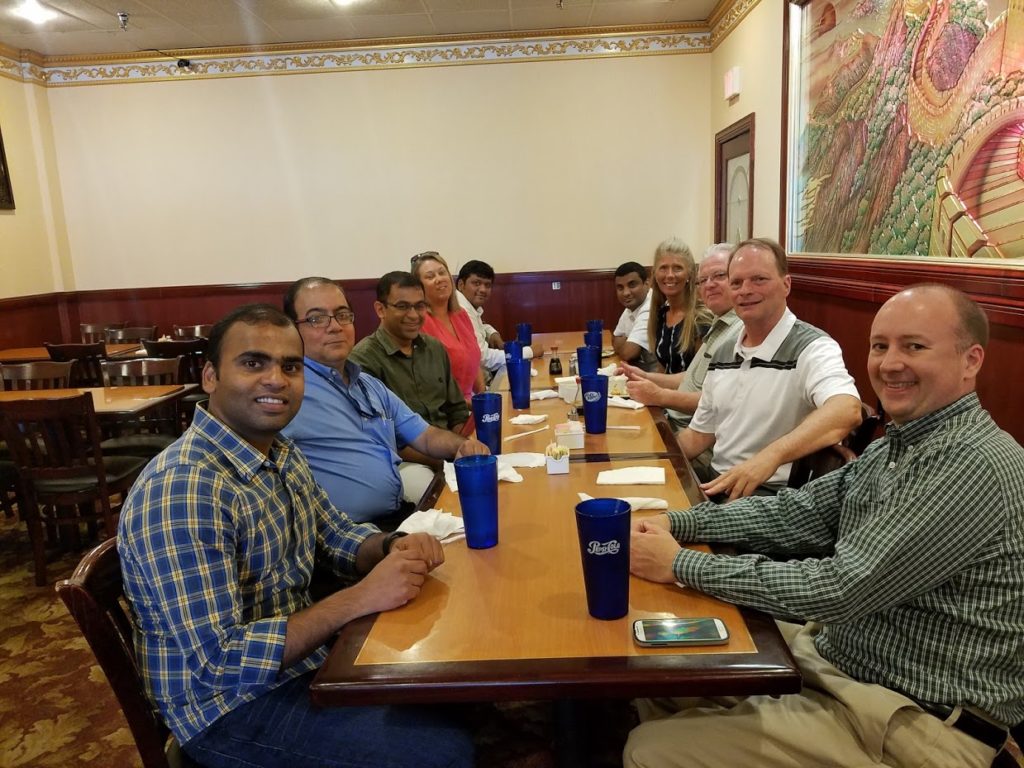
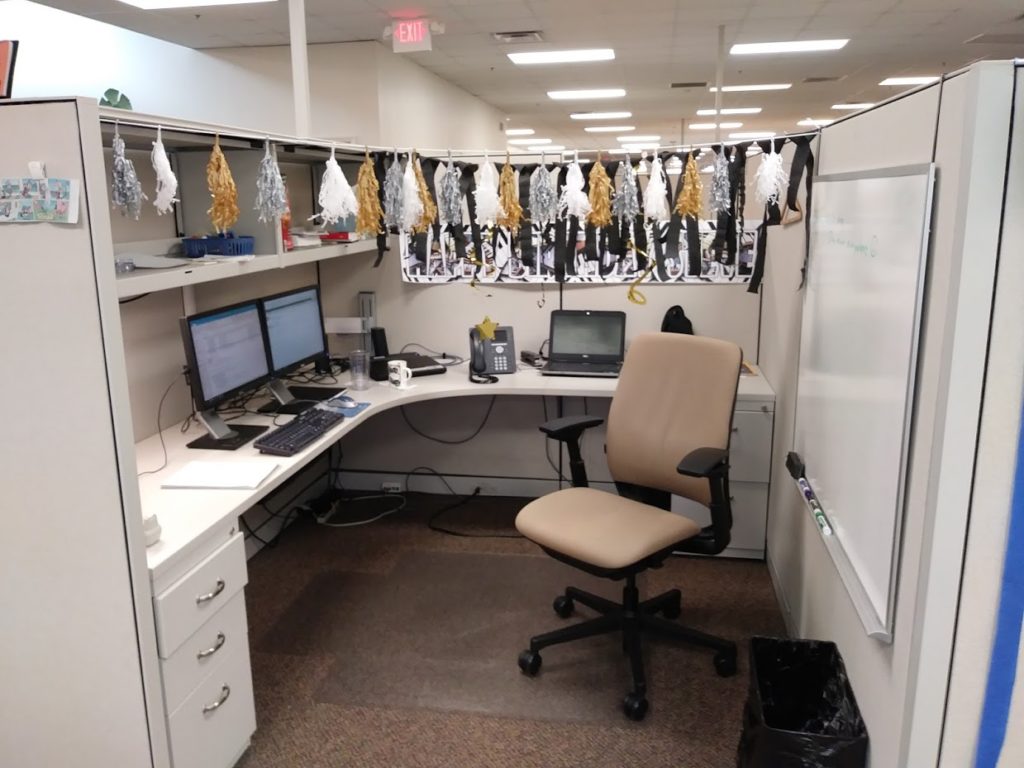
People in Data Services were festive. Here’s my birthday lunch in 2016 and birthday cube decoration:
Flutter Developer training – 2019. After leaving the State I learned Google’s Flutter framework. I published two articles in the Flutter Community https://medium.com/flutter-community/search?q=zwart and presented apps at the Lexington 2019 TECX19 technical conference. I also started experimenting with WordPress and blogging.
VIDA Select – IT Manager 2019 to 2020.

I got this job through FlexJobs. I managed staff in Serbia and the Philippines and managed the successful roll-out of a company-wide Android emulator project. I developed a critical Android app called VIDA Traveler based on open source that provided GPS faking using less memory with better stability than other GPS fakers.
BrightSpring Health Services – System Engineer 2022

June 2022 marks 40 years of IT experience. My friend Jason Conley recruited me to help BrightSpring with a Nagios deployment and to support their AIX environment. I published a labor-saving Python plug-in that monitors all drives/filesystems on a server without manual configuration.